

How to contact us?
Zola on social media
Get advice on products
Back
Back
Our stores

Who shouldn't get permanent eyebrow tattoos?

Who shouldn't get permanent eyebrow tattoos?

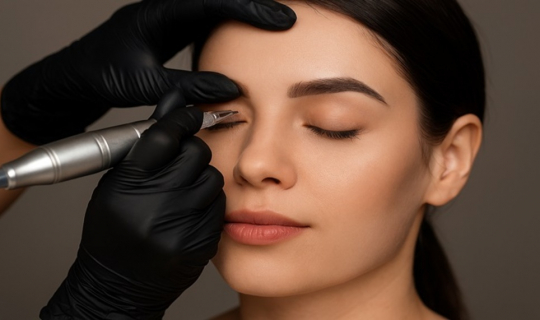
Before the procedure, the artist always checks the client’s health status — this is an essential part of preparation. Eyebrow permanent makeup is performed using a fine needle that deposits pigment into the upper layers of the skin, creating micro-injuries. In response, the body activates natural healing processes. Therefore, a person’s overall condition before the session directly affects how the pigment settles and how recovery will proceed, and also helps determine who should not get eyebrow permanent makeup.

Absolute contraindications for eyebrow permanent makeup

There are contraindications for eyebrow permanent makeup in which the procedure is strictly avoided. The risk of complications in these cases is so high that a qualified permanent makeup artist will refuse to perform the procedure even if the client insists.

  • Severe diabetes reduces tissue regeneration capacity and increases the risk of infection.
  • Oncological diseases alter immune response, so the procedure is not allowed without written approval from the attending physician.
  • Epilepsy is dangerous because stimulation of facial nerve endings may trigger a seizure.
  • Blood clotting disorders turn micro-injuries into prolonged bleeding sites.
  • Severe autoimmune diseases can cause an aggressive immune reaction to foreign pigment.
  • Predisposition to keloid scars leads to excessive tissue growth instead of a clean outline.

Each of these conditions means the body is already under increased strain. Additional skin trauma increases the risk of complications that are harder to treat than to prevent. A master cannot formally verify medical diagnoses, so responsibility for providing accurate health information lies with the client.

When the procedure should be postponed and who should not get eyebrow permanent makeup

Some conditions do not fully prohibit the procedure but require postponement to a more favorable time. For example, eyebrow permanent makeup with mild diabetes may sometimes be allowed after consultation, while severe forms fall under absolute contraindications.
Who shouldn't get permanent eyebrow tattoos?

Cold and poor general condition

When the immune system is weakened, skin recovery slows down and pigment may distribute unevenly. It is more reasonable to wait for full recovery before scheduling the session.

Pregnancy and breastfeeding period

The question of whether eyebrow tattooing is safe during pregnancy is in most cases resolved in favor of postponement. Hormonal fluctuations increase tissue sensitivity, and the body’s reaction to pigment becomes unpredictable. Medical consultation is mandatory during this period.

Menstruation

Skin sensitivity increases during these days, pain tolerance decreases, and instead of a comfortable session the client may experience additional discomfort. The procedure itself, however, remains safe.

Use of certain medications

Antibiotics, anticoagulants, and retinoids alter skin behavior and can distort the final result. It is advisable to complete the treatment course in advance.

Skin conditions and skin problems

The condition of the skin in the eyebrow area significantly affects the outcome of the procedure. Dermatitis, herpes, active inflammation, or irritation in the treatment area worsen results and increase the risk of infection. On damaged or peeling skin, pigment sets unevenly, and a clean outline cannot be achieved. That is why contraindications for eyebrow permanent makeup also include fresh tanning from a solarium and recent aggressive cosmetic procedures, after which dehydrated and sensitive skin absorbs pigment poorly.

Allergy and sensitivity to pigments

Allergic reactions to pigment are less common than clients often fear, but they cannot be completely excluded. To predict the body’s response, the artist performs a sensitivity test several days before the main procedure.

  • The test is recommended for clients with a history of reactions to cosmetics or anesthetics.
  • Any known allergies must be disclosed in advance without omission.

Transparency during preparation directly affects safety. Hidden allergies can lead to swelling and inflammation instead of a predictable result.

Who shouldn't get permanent eyebrow tattoos?

Can the procedure be done with health problems?

Chronic conditions do not always mean an absolute ban, and contraindications for eyebrow permanent makeup allow for an individual assessment. The final decision is made by the specialist after evaluating the specific situation.

It is the physician, not the client, who determines whether eyebrow permanent makeup is safe in the context of a particular diagnosis. In systemic diseases, it is reasonable to obtain a statement from the attending doctor, since every body reacts individually. Therefore, medical consultation serves as a risk-reduction tool.

What happens if contraindications are ignored

Many people ask whether eyebrow permanent makeup is dangerous, and the honest answer depends on whether restrictions were followed. If rules are violated, the consequences are predictable.

  • Skin healing becomes slow and painful, with a risk of infection.
  • The pigment shade may shift, turning cooler or grayish.
  • Inflammation and persistent irritation can develop in the eyebrow area.

Aftercare in such cases focuses on managing complications rather than achieving the intended cosmetic result.

How to choose a permanent makeup artist

The safety of the procedure depends not only on the client’s health but also on the artist’s qualifications. A competent specialist does not rush bookings and asks detailed questions about health status. Important factors include instrument sterility, a portfolio of healed results (not only fresh work), and willingness to openly discuss eyebrow tattooing and its potential risks.

An experienced specialist explains in advance how eyebrow correction is performed several weeks later and provides detailed instructions for eyebrow care during the healing period. A calm consultation and attention to detail say more about professionalism than bold guarantees.

New publications
Who shouldn't get permanent eyebrow tattoos?
Eyebrow stripe
Eyebrow stripe
Makeup for blue eyes
Eyelashes with a jellyfish effect