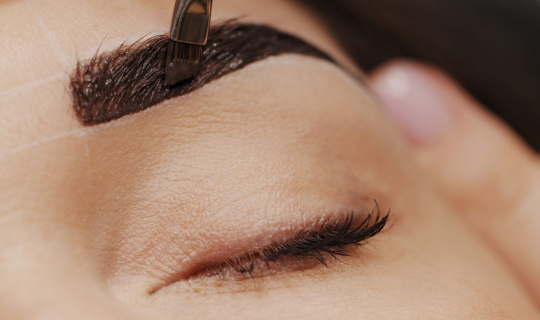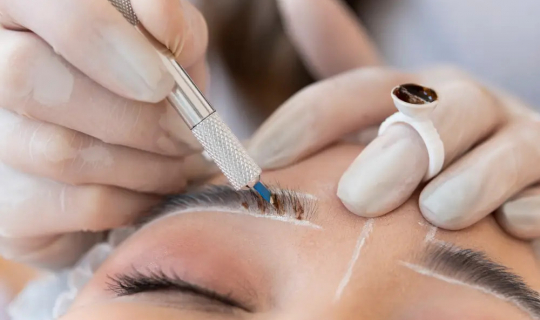

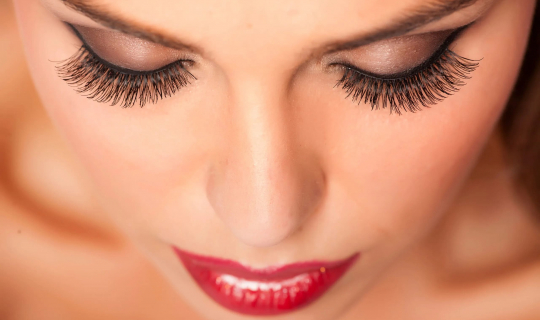
Professionally performed eyebrow and eyelash tinting is considered a comprehensive procedure in which not only aesthetics matter, but also accurate consideration of physiological factors. Working with color and shape is directly related to the condition of hair and skin, and the final result depends not only on the quality of materials but also on individual body characteristics. Even when proper techniques and professional products are used, the outcome may differ from expectations.
The influence of hormones on eyebrow tinting can significantly affect pigment behavior. Hormonal fluctuations impact hair structure, skin renewal rate, and sensitivity levels, which directly influence color fixation and saturation. For this reason, the same product may produce different results for different clients.
Hormonal balance also affects sebaceous gland activity and metabolic processes in the skin. Under such conditions, the longevity of eyebrow and eyelash tinting may decrease, the shade may change within the first few days after the procedure, and pigment distribution may become uneven. Understanding these mechanisms is important for both professionals and clients, as it helps set realistic expectations and establish proper aftercare.
Why hormonal balance affects tinting results
Hormones regulate metabolic processes in the body, including hair growth and skin condition. When hormonal balance changes, hair structure may alter — becoming more porous or, conversely, denser. This directly affects how eyebrow dye penetrates the hair shaft and how well it fixes.
Hormones also influence sebaceous gland activity. Increased oiliness accelerates pigment washout, while altered skin sensitivity may cause individual reactions to the formula. This is why hormonal balance is often a key factor behind unstable tinting results, even when proper techniques are used.
Hormonal changes that can affect tinting
Before examining specific conditions, it is important to understand that hormonal changes can occur both temporarily and over extended periods. Any hormonal fluctuations affect skin function and hair follicles, directly influencing pigment interaction with hair and its fixation.
The intensity of these changes is individual and depends on body characteristics, age, and overall health. This is why the same formula can produce different results for different clients under identical tinting conditions.