
Permanent eyebrow makeup has long ceased to be just a trendy procedure. Today, it is a conscious choice for those who value a neat appearance, consistent results, and time-saving in daily life.
“How long does permanent eyebrow makeup last?” is one of the most common questions clients ask even before booking a procedure. People are interested not only in the average duration but also in how the color changes over time, when a touch-up will be needed, and whether it’s possible to extend the results without harming the skin.
It is important to understand that permanent eyebrow makeup is not a one-size-fits-all “once and forever” solution. Its longevity depends on many factors: skin type, chosen technique, lifestyle, and aftercare. That’s why some results last nearly three years, while others fade noticeably after 10–12 months.
In this article, I will explain in detail how the procedure works, how permanent makeup differs from regular makeup, what factors influence its longevity, and what nuances to consider in advance to ensure predictable and aesthetic results.
Procedure explained in simple terms
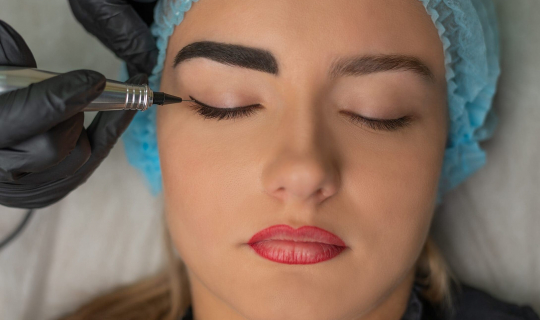
Permanent eyebrow makeup involves introducing pigment into the superficial layers of the skin using a specialized device. Unlike tattoos, the pigment is placed shallowly, so it gradually fades over time and is naturally eliminated.
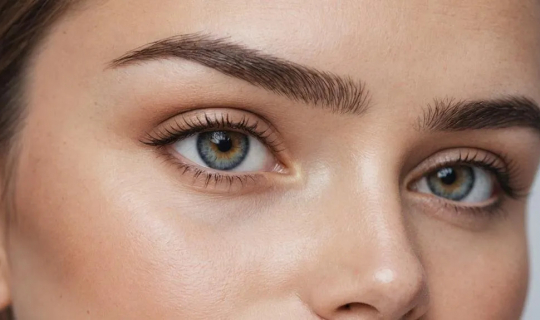
The goal of the procedure is to enhance the eyebrow shape, add density, correct asymmetry, and reduce daily makeup time. The result looks natural if the technique and shade are properly chosen.
How permanent makeup differs from regular makeup
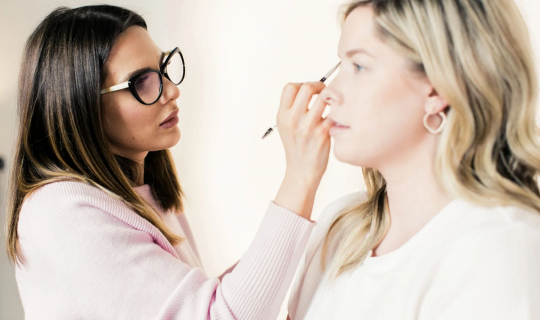
Classic eyebrow cosmetics lasts only until the first wash. Pencils, powders, gels, and even eyebrow soap require daily application and skill.
Permanent makeup:
- maintains shape and color 24/7;
- does not wash off with water or sweat;
- does not require daily correction.
This is why it is chosen by people with an active lifestyle, sensitive skin, or limited time for makeup.