

How to contact us?
Zola on social media
Get advice on products
Back
Back
Our stores

Hair-by-hair technique for eyebrows

Hair-by-hair technique for eyebrows

The modern beauty industry is increasingly focused on natural results. Clients no longer want dense, graphic tattooing — neat shape and natural-looking eyebrows are now the priority. That is why the hair stroke eyebrow technique is in demand today — a method that delicately fills gaps while preserving a natural appearance.

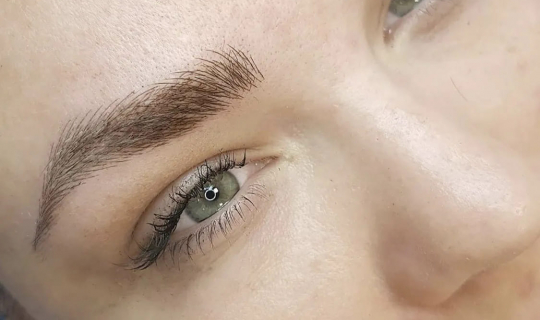
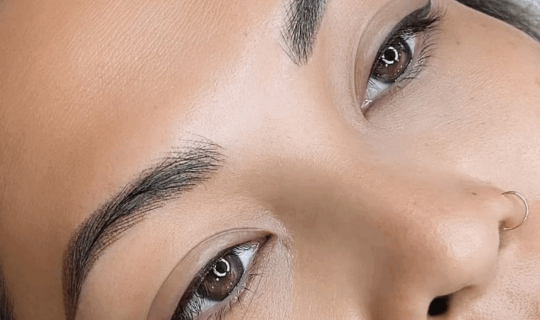
To understand what the hair stroke eyebrow technique is, it is important to know that this is a type of permanent makeup in which the artist imitates natural hair growth using fine stroke detailing, creating the most natural-looking result without the effect of solid fill. The procedure belongs to the field of permanent eyebrow makeup but differs by its more delicate and precise work. Here, the key factor is not color density but correct hair strokes, growth direction, and harmony with facial features.

What is the hair stroke eyebrow technique

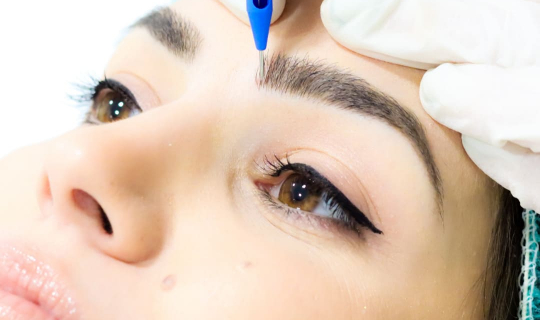
Professionally speaking, the hair stroke eyebrow technique is a machine-based method of implanting pigment in strokes that imitate natural hairs. The artist works with fine lines, repeating the natural growth pattern.

Hair stroke permanent eyebrows are especially relevant for partial damage, asymmetry, and local areas with no growth. At the same time, the brows retain the look of real, not drawn-on hairs.

How the hair stroke technique differs from other brow methods

To objectively understand the difference between the hair stroke technique and powder or other methods, it is important to consider not only the visual result but also pigment depth, color density, application technique, and how the shade behaves over time.

The hair stroke eyebrow technique is based on precise hair-by-hair drawing. The pigment is implanted superficially in strokes that follow the natural direction of growth. This creates a light, airy effect without a dense background. The brow looks natural — just more defined and polished.

In other techniques, the principle of color distribution is different. The focus is placed not on individual strokes but on creating overall density. This affects visual perception, pigment longevity, and skin type requirements.

The differences can be evaluated by several parameters:

  • color density;
  • pigment depth;
  • visual effect;
  • result longevity;
  • skin type requirements.

Permanent eyebrow tattooing using the ‘hair’ method provides a soft and natural result, but requires precision and professional experience. If the depth is incorrect, the strokes may blur or fade too quickly.

Let’s review the main alternatives.

Powder brows

  • create a soft shadow effect;
  • form even density;
  • look like neat makeup;
  • offer higher longevity.

The powder technique creates a soft background without detailed hair strokes. The color is distributed across the entire brow area, creating the look of a filled shape. Visually, brows appear more defined than with the hair stroke method.

Combination technique

  • combines strokes and shading;
  • adds density in specific areas;
  • suitable for pronounced asymmetry.

The combination method merges the advantages of two techniques. Individual hairs may be drawn at the front of the brow, while a denser background is created in the tail. This approach is used for complex shapes or significant gaps.

Compared to the pure hair stroke technique, the result is more expressive. However, the hair stroke method provides a softer and more natural eyebrow effect.

Microblading

  • performed manually;
  • creates more graphic strokes;
  • more dependent on skin type.

Microblading is often compared with the hair stroke method because both aim to imitate hair growth. The difference lies in the tool and execution method. In manual technique, micro-incisions are made where pigment is deposited.

Machine hair stroke eyebrows allow more precise control over pigment depth and distribution. This reduces the risk of scarring and makes the result more predictable when performed correctly.

Thus, the difference between the hair stroke technique and powder or other methods lies in its delicacy, stroke-by-stroke detailing, and focus on naturalness. It is the choice for those who want to enhance shape without creating the look of dense permanent eyebrow makeup.
Hair-by-hair technique for eyebrows

Who the hair stroke technique is suitable for

When analyzing who the hair stroke eyebrow technique is suitable for, it is important to consider the initial data. The method works best when there is an existing brow shape and partial hair growth.

Suitable in cases of:

  • sparse brows with gaps;
  • mild asymmetry;
  • desire for a natural result;
  • need for visual density;
  • preference against a dense makeup effect.

The hair stroke technique for sparse brows allows missing areas to be delicately filled and the shape to look more complete. It is especially popular among clients who value naturalness and do not want noticeable permanent makeup.

When the technique may be ineffective

Despite its versatility, the method has limitations. Hair stroke eyebrow tattooing requires stable skin condition and preserved follicles.

The technique may be ineffective in cases of:

  • very oily skin;
  • dense old pigment;
  • scars without follicles;
  • almost complete absence of brow hairs;
  • individual tendency for pigment to blur.

On oily skin, strokes lose clarity faster. If old permanent makeup is present, it usually requires lightening first. In some cases, the artist may recommend alternative brow techniques.

Stages of the hair stroke procedure

The hair stroke eyebrow technique requires step-by-step precision work. The final result depends not only on the strokes themselves but also on preparation, shade selection, and proper healing. The procedure is always performed according to protocol.

Consultation and client preferences

At this stage, the artist evaluates the skin condition, hair density and growth direction, and the presence of old pigment. Expectations regarding shape and shade are discussed. It is important to determine whether hair stroke permanent eyebrows are suitable or if other brow techniques should be considered.

Brow mapping

The brow architecture is created considering facial proportions, symmetry, and anatomical features. Mapping is used to achieve balance and a natural line position. The shape is approved with the client before pigment work begins.

Pigment shade selection

The shade is selected individually. Hair colour, skin tone, desired intensity and expected pigment stability are taken into account. The goal is to achieve the most natural-looking eyebrows without excessive saturation.

Hair stroke application

This is the main stage of the procedure. The artist creates strokes that imitate natural growth. It is crucial to maintain proper depth and direction to preserve the natural effect — the hair stroke technique requires precision and experience.

Initial color fixation

After the work is completed, the evenness of pigment distribution is assessed. If necessary, certain areas are reinforced so the shape looks harmonious and complete.

Healing process

During the first few days, the shade appears brighter and then gradually softens. The final color forms while the skin regenerates. Proper aftercare is especially important at this stage, as it affects not only pigment longevity but also hair nourishment and overall skin condition in the brow area.

Need for touch-up

A touch-up is performed after 4–6 weeks. It helps закрепить the result, enhance individual strokes, and improve longevity. Without this step, the hair stroke eyebrow technique may appear less saturated than planned.

Pros of the hair stroke technique

The pros and cons of the hair stroke technique should be evaluated objectively.

Advantages of the method:

  • maximum natural effect;
  • gap camouflage;
  • individual hair pattern;
  • visual density;
  • soft shade transitions;
  • no dense “tattooed” effect.

The method allows you to create a neat shape without the look of decorative makeup. Brows appear natural even at close distance.

Hair-by-hair technique for eyebrows

Disadvantages of the hair stroke technique

Like any procedure, the technique has limitations.

  • lower longevity compared to denser methods;
  • result depends on skin type;
  • risk of strokes blurring;
  • requirement for regular touch-ups;
  • high demand for the artist's skill;
  • limited effectiveness on oily skin.

Moreover, the result directly depends on the specialist’s experience. Mistakes in pigment depth or shade selection can affect the final appearance.

Eyebrow care after hair stroke permanent makeup

Post-procedure care plays a key role in maintaining the result. In the first days, the skin goes through a healing phase.

Important restrictions:

  • do not wet the brow area during the first day;
  • avoid sauna and swimming pools;
  • do not use decorative cosmetics;
  • do not remove forming scabs.

Skin care after the procedure

Gentle cleansing and use of products recommended by the artist are advised. During healing, eyebrow henna, scrubs, and growth-stimulating procedures should not be used.

Following recommendations directly affects color evenness and pigment longevity.

Longevity of the hair stroke technique

Many wonder how long hair stroke eyebrows last. On average, results last from 8 to 18 months. On dry skin, the shade lasts longer; on oily skin, it may fade faster.

Factors affecting color retention:

  • skin type;
  • cell renewal rate;
  • adherence to aftercare;
  • sun exposure.

Regular eyebrow care and timely touch-ups help maintain a neat appearance without drastic color changes.

Common myths about the hair stroke technique

There are many misconceptions around permanent makeup. Hair stroke technique is no exception. Below are common myths that often create unrealistic expectations.

The technique is suitable for everyone and has no limitations

This is one of the most common myths. In practice, hair stroke eyebrows require certain conditions: stable skin, absence of dense old pigment, and at least minimal natural hair base.

With very oily skin or complete lack of growth, strokes may lose clarity. In such cases, the artist may recommend alternative brow techniques or a combined method.

The result lasts equally long for all clients

Pigment longevity is always individual. It depends on skin type, cell renewal rate, hormonal balance, and lifestyle.

Therefore, there is no universal duration. On dry skin, results last longer; on oily skin, they may fade faster. Hence, touch-ups remain an essential part of the procedure.

Strokes always remain sharp and unchanged over time

After healing, strokes look neat, but over time they soften. This is a natural process due to gradual pigment fading.

If the artist maintains proper depth, lines do not “blur,” but gradually lose intensity. However, one should not expect perfectly sharp strokes for several years.

The procedure is completely painless and causes no discomfort

Anesthesia is used at the start to make the process comfortable. However, sensitivity varies among individuals.

Some clients feel slight tingling or pressure. This is normal and does not indicate poor technique. It is important to choose an experienced specialist who monitors pigment depth and skin condition.

The hair stroke technique completely replaces daily makeup

The procedure creates a neat base and enhances natural brows. However, it does not provide a dense decorative effect and does not fully restore brows in cases of pronounced thinning or follicle damage.

If desired, gel or pencil can be used to enhance the shade. Hair stroke technique is a way to simplify care and reduce makeup time, not replace it entirely.

Common client mistakes

Common mistakes are related to unrealistic expectations and not following aftercare:

  • choosing a technique without consultation;
  • skipping touch-ups;
  • violating aftercare rules;
  • comparing with dense techniques.

Hair stroke technique is a professional tool for creating neat and natural brow shapes. With proper method selection, considering skin features, and following aftercare, including hair structure recovery, it allows achieving a harmonious result without overdone effect and preserves healthy-looking brows.

New publications
Magnetic eyelashes
Magnetic eyelashes
What happens if you shave off your eyebrows?
How to remove false eyelashes
Korean eyebrows
Korean eyebrows